-
Array
(
[0] => Array
(
[id] => 1
[siteid] => 1
[parentid] => 0
[parentstr] => 0,
[infotype] => 0
[classname] => Home
[navname] => Home
[alias] =>
[english] =>
[linkurl] => /
[relinkurl] => index.html
[picurl] =>
[picwidth] =>
[picheight] =>
[colorval] =>
[boldval] =>
[seotitle] => Automotive Lamp suppliers,Led Headlight solutions,Luz Led Para Moto price,Headli
[keywords] => Automotive Lamp suppliers,Led Headlight solutions,
[description] => IV Auto Parts is a Automotive Lamp suppliers, provides Led Headlight solutions,Luz Led Para Moto price,Headlights For Car fittings.
[orderid] => 1
[isnav] => true
[checkinfo] => true
[url] => index.html
[child] => Array
(
)
)
[1] => Array
(
[id] => 2
[siteid] => 1
[parentid] => 0
[parentstr] => 0,
[infotype] => 0
[classname] => About Us
[navname] => About Us
[alias] =>
[english] => We Make Fence Idea
[linkurl] => about.php
[relinkurl] => about.html
[picurl] =>
[picwidth] =>
[picheight] =>
[colorval] =>
[boldval] =>
[seotitle] => Car Head Lamp Agencies,vehicle Headlamp Wholesale,car Head Lamp Price; IV Auto P
[keywords] => car head lamp agencies,vehicle headlamp wholesale,
[description] => IV Auto Parts, built in China and based in mainland China YiWu, has specialized 2
[isnav] => true
[checkinfo] => true
[url] => about.html
[child] => Array
(
[0] => Array
(
[id] => 10
[siteid] => 1
[parentid] => 2
[parentstr] => 0,2,
[infotype] => 0
[classname] => Our Culture
[navname] => Our Culture
[alias] =>
[english] =>
[linkurl] => about.php?cid=10
[relinkurl] => about-10-1.html
[picurl] =>
[picwidth] =>
[picheight] =>
[colorval] =>
[boldval] =>
[seotitle] =>
[keywords] =>
[description] =>
[orderid] => 10
[isnav] => true
[checkinfo] => true
[url] => about-10-1.html
[child] => Array
(
)
)
[1] => Array
(
[id] => 11
[siteid] => 1
[parentid] => 2
[parentstr] => 0,2,
[infotype] => 2
[classname] => Our Team
[navname] => Our Team
[alias] =>
[english] =>
[linkurl] => team.php
[relinkurl] => team.html
[picurl] =>
[picwidth] =>
[picheight] =>
[colorval] =>
[boldval] =>
[seotitle] =>
[keywords] =>
[description] =>
We have been supplying Replacement Headlight assembly,Side Light,Tail Lights,driving Lights,Led Fog,Interior Light,Light Accessories,since 2009, and thanks to the contribution of our professional team, customers across the world thumb up to IV Aut [orderid] => 11 [isnav] => true [checkinfo] => true [url] => team.html [child] => Array ( ) ) [2] => Array ( [id] => 12 [siteid] => 1 [parentid] => 2 [parentstr] => 0,2, [infotype] => 0 [classname] => Reference List [navname] => Reference List [alias] => [english] => [linkurl] => reference.php [relinkurl] => reference.html [picurl] => [picwidth] => [picheight] => [colorval] => [boldval] => [seotitle] => [keywords] => [description] => [orderid] => 12 [isnav] => true [checkinfo] => true [url] => reference.html [child] => Array ( ) ) ) ) [2] => Array ( [id] => 3 [siteid] => 1 [parentid] => 0 [parentstr] => 0, [infotype] => 2 [classname] => Warranty [navname] => Warranty [alias] => [english] => [linkurl] => warranty.php [relinkurl] => warranty.html [picurl] => [picwidth] => [picheight] => [colorval] => [boldval] => [seotitle] => Halogen Headlamps Solution,Motorcycle Headlamp Services,Upgrade Headlight Cost; [keywords] => Halogen Headlamps Solution,Motorcycle Headlamp Ser [description] => IV Auto Parts Provided For You Halogen Headlamps Solution,Motorcycle Headlamp Services,Upgrade Headlight Cost Calculate.
[orderid] => 3 [isnav] => true [checkinfo] => true [url] => warranty.html [child] => Array ( [0] => Array ( [id] => 13 [siteid] => 1 [parentid] => 3 [parentstr] => 0,3, [infotype] => 2 [classname] => CERTIFICATES [navname] => CERTIFICATES [alias] => [english] => [linkurl] => warranty.php?cid=13 [relinkurl] => warranty-13-1.html [picurl] => [picwidth] => [picheight] => [colorval] => [boldval] => [seotitle] => [keywords] => [description] => Your partner all the way
At IV Auto Parts we work as a complete supplier: We develop, produce and sell finishing systems and make sure the operators are fully instructed and able to run the Parts.
On top of tha [orderid] => 13 [isnav] => true [checkinfo] => true [url] => warranty-13-1.html [child] => Array ( ) ) [1] => Array ( [id] => 34 [siteid] => 1 [parentid] => 3 [parentstr] => 0,3, [infotype] => 0 [classname] => FAQ [navname] => FAQ [alias] => [english] => [linkurl] => FAQ.php [relinkurl] => FAQ.html [picurl] => [picwidth] => [picheight] => [colorval] => [boldval] => [seotitle] => [keywords] => [description] => [orderid] => 28 [isnav] => true [checkinfo] => true [url] => FAQ.html [child] => Array ( ) ) [2] => Array ( [id] => 33 [siteid] => 1 [parentid] => 3 [parentstr] => 0,3, [infotype] => 0 [classname] => Service & After Sales [navname] => Service & After Sale [alias] => [english] => [linkurl] => ServiceAndAfterSales.php [relinkurl] => ServiceAndAfterSales.html [picurl] => [picwidth] => [picheight] => [colorval] => [boldval] => [seotitle] => [keywords] => [description] => [orderid] => 29 [isnav] => true [checkinfo] => true [url] => ServiceAndAfterSales.html [child] => Array ( ) ) ) ) [3] => Array ( [id] => 4 [siteid] => 1 [parentid] => 0 [parentstr] => 0, [infotype] => 2 [classname] => Products [navname] => Products [alias] => Products List [english] => Explore Auto Parts Products [linkurl] => products.php [relinkurl] => products.html [picurl] => [picwidth] => [picheight] => [colorval] => [boldval] => [seotitle] => Headlamp Car For Sale,buy Headlamp,refit Headlight Cost, Head Lamp Fittings; IV [keywords] => IV Auto Parts Provide You With Details Refit Buy [description] => IV Auto Parts Provide You With Details Refit Buy Headlight Cost,head Lamp Fittings For Sale.
[orderid] => 4 [isnav] => true [checkinfo] => true [url] => products.html [child] => Array ( [0] => Array ( [id] => 24 [siteid] => 1 [parentid] => 4 [parentstr] => 0,4, [infotype] => 2 [classname] => Headlight assembly [navname] => Headlight assembly [alias] => Headlight assembly [english] => Headlight assembly [linkurl] => products-24-1.html [relinkurl] => products-24-1.html [picurl] => [picwidth] => [picheight] => [colorval] => [boldval] => [seotitle] => [keywords] => [description] => [orderid] => 22 [isnav] => true [checkinfo] => true [url] => products-24-1.html [child] => Array ( ) ) [1] => Array ( [id] => 29 [siteid] => 1 [parentid] => 4 [parentstr] => 0,4, [infotype] => 2 [classname] => Taillight Assembly [navname] => Taillight Assembly [alias] => Taillight Assembly [english] => Taillight Assembly [linkurl] => [relinkurl] => products-29-1.html [picurl] => [picwidth] => [picheight] => [colorval] => [boldval] => [seotitle] => Taillight Assembly [keywords] => Taillight Assembly,Tail Lights,Tail Lamp,Led Tail [description] => Taillight Assembly,Tail Lamp,Led Tail Lights For Audi [orderid] => 23 [isnav] => true [checkinfo] => true [url] => products-29-1.html [child] => Array ( ) ) [2] => Array ( [id] => 25 [siteid] => 1 [parentid] => 4 [parentstr] => 0,4, [infotype] => 2 [classname] => Turn Signal Light [navname] => Turn Signal Light [alias] => Turn Signal Light [english] => Turn Signal Light [linkurl] => products-25-1.php [relinkurl] => products-25-1.html [picurl] => [picwidth] => [picheight] => [colorval] => [boldval] => [seotitle] => [keywords] => Turn Signal Light,Side Blinker,Audi Turn Signal Li [description] => Audi Turn Signal Light [orderid] => 24 [isnav] => true [checkinfo] => true [url] => products-25-1.html [child] => Array ( ) ) [3] => Array ( [id] => 36 [siteid] => 1 [parentid] => 4 [parentstr] => 0,4, [infotype] => 2 [classname] => Alternator [navname] => Alternator [alias] => Alternator [english] => Alternator [linkurl] => products-36-1.php [relinkurl] => products-36-1.html [picurl] => [picwidth] => [picheight] => [colorval] => [boldval] => [seotitle] => Alternator For with Audi [keywords] => Alternator For with Audi [description] =>
Email:
sales@ivautoparts.com
Tel.: +86 13933893619


How do I know if my clutch packs are bad?
2026-04-15
Summary:
Identifying a failing clutch pack is crucial for preventing more extensive and expensive transmission damage. Unlike a manual transmission's single dry clutch, an automatic or dual-clutch transmission (DCT) uses multiple clutch packs—stacks of friction di
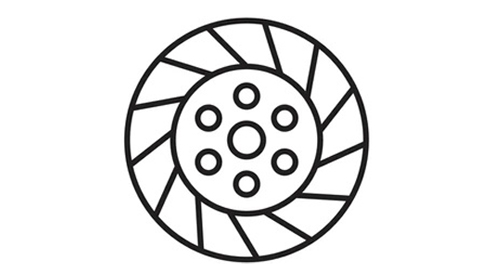
Identifying a failing clutch pack is crucial for preventing more extensive and expensive transmission damage. Unlike a manual transmission's single dry clutch, an automatic or dual-clutch transmission (DCT) uses multiple clutch packs—stacks of friction discs and steel plates—to engage and change gears.
A failing clutch pack usually reveals itself through a specific set of symptoms.
Recognizing a Failing Clutch Pack: 7 Key Symptoms
Slipping Transmission: The engine's RPMs rise without a corresponding increase in vehicle speed, especially during acceleration or when driving uphill. This is a sign the clutch discs can no longer firmly hold the gear.
Harsh or Flaring Shifts: You may experience a jarring "bang" when the transmission engages a gear or a brief RPM spike during a shift (a "flare").
Burning Smell: Overheated transmission fluid (ATF) or burning friction material can create a noticeable acrid odor.
Shuddering or Vibration: The vehicle may shudder, especially when starting from a stop or driving at a steady speed.
Delayed Engagement: There is a noticeable pause between moving the gear selector and the vehicle responding, particularly from Park to Drive or Reverse.
Unusual Noises: Grinding or clunky sounds when shifting gears can indicate internal problems.
Dark or Burnt Transmission Fluid: Check the automatic transmission fluid (ATF) on the dipstick. Healthy ATF is bright red and smells slightly sweet. Fluid that is dark brown or black and has a burnt smell strongly suggests overheating and internal clutch damage. Sometimes, you might find tiny black particles or a metallic sheen in the fluid, which are bits of worn clutch material and metal.
Getting a Professional Diagnosis and Cost Factors
If a clutch pack is confirmed as the problem, the repair is complex and often expensive because it's deep inside the transmission.
Conventional Automatic Transmission: Internal clutch packs are not usually serviced alone. The repair typically involves a full rebuild or replacement of the transmission, which can cost $3,000–$7,000 on average.
Dual-Clutch Transmission (DCT): The cost to replace clutch packs in a DCT (like VW's DSG or Ford's DPS6) generally ranges from $1,500 to $5,000.
The clutch packing price, as a component of the total repair, is a relatively small portion of the final bill. The majority of the expense comes from the extensive labor to access the transmission and the specialized knowledge required.
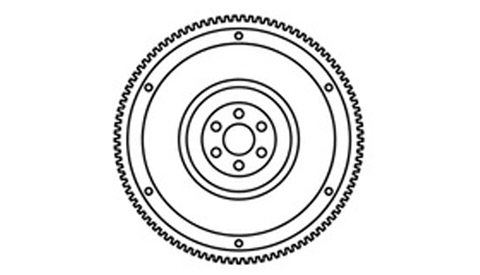
For comparison, a manual transmission uses a different system, often replaced as a clutch and flywheel kit. The cost for this, including parts and labor, is typically $1,000 to $2,500.
Understanding these symptoms can help you address a problem early, potentially saving you thousands of dollars. To put the potential repair bill in context, replacing rear brake pads (parts and labor) typically costs $150–$300 per axle, a common maintenance expense.
If you're experiencing any of these symptoms, it's best to have your vehicle inspected by a qualified transmission specialist as soon as possible.
A failing clutch pack usually reveals itself through a specific set of symptoms.
Recognizing a Failing Clutch Pack: 7 Key Symptoms
Slipping Transmission: The engine's RPMs rise without a corresponding increase in vehicle speed, especially during acceleration or when driving uphill. This is a sign the clutch discs can no longer firmly hold the gear.
Harsh or Flaring Shifts: You may experience a jarring "bang" when the transmission engages a gear or a brief RPM spike during a shift (a "flare").
Burning Smell: Overheated transmission fluid (ATF) or burning friction material can create a noticeable acrid odor.
Shuddering or Vibration: The vehicle may shudder, especially when starting from a stop or driving at a steady speed.
Delayed Engagement: There is a noticeable pause between moving the gear selector and the vehicle responding, particularly from Park to Drive or Reverse.
Unusual Noises: Grinding or clunky sounds when shifting gears can indicate internal problems.
Dark or Burnt Transmission Fluid: Check the automatic transmission fluid (ATF) on the dipstick. Healthy ATF is bright red and smells slightly sweet. Fluid that is dark brown or black and has a burnt smell strongly suggests overheating and internal clutch damage. Sometimes, you might find tiny black particles or a metallic sheen in the fluid, which are bits of worn clutch material and metal.
Getting a Professional Diagnosis and Cost Factors
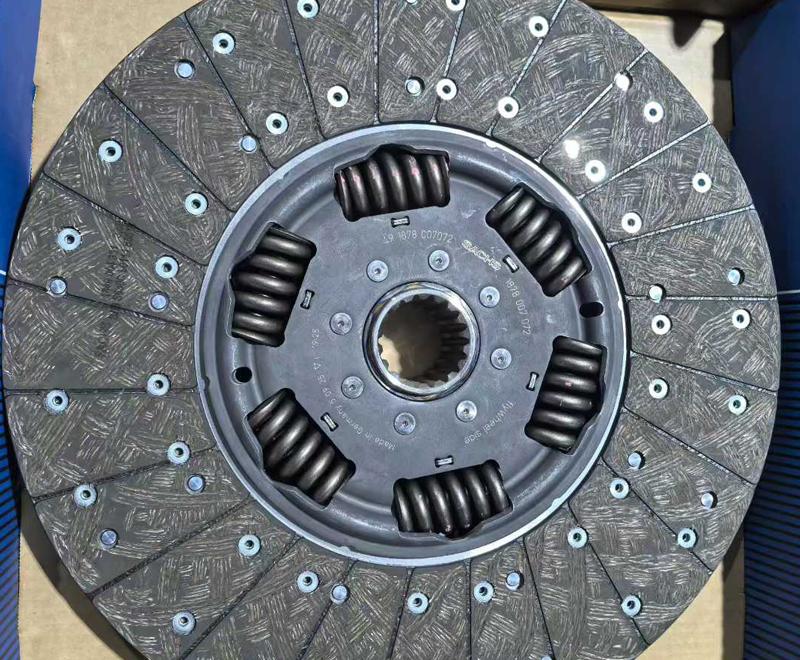
If a clutch pack is confirmed as the problem, the repair is complex and often expensive because it's deep inside the transmission.
Conventional Automatic Transmission: Internal clutch packs are not usually serviced alone. The repair typically involves a full rebuild or replacement of the transmission, which can cost $3,000–$7,000 on average.
Dual-Clutch Transmission (DCT): The cost to replace clutch packs in a DCT (like VW's DSG or Ford's DPS6) generally ranges from $1,500 to $5,000.
The clutch packing price, as a component of the total repair, is a relatively small portion of the final bill. The majority of the expense comes from the extensive labor to access the transmission and the specialized knowledge required.
For comparison, a manual transmission uses a different system, often replaced as a clutch and flywheel kit. The cost for this, including parts and labor, is typically $1,000 to $2,500.
Understanding these symptoms can help you address a problem early, potentially saving you thousands of dollars. To put the potential repair bill in context, replacing rear brake pads (parts and labor) typically costs $150–$300 per axle, a common maintenance expense.
If you're experiencing any of these symptoms, it's best to have your vehicle inspected by a qualified transmission specialist as soon as possible.