-
Array
(
[0] => Array
(
[id] => 1
[siteid] => 1
[parentid] => 0
[parentstr] => 0,
[infotype] => 0
[classname] => Home
[navname] => Home
[alias] =>
[english] =>
[linkurl] => /
[relinkurl] => index.html
[picurl] =>
[picwidth] =>
[picheight] =>
[colorval] =>
[boldval] =>
[seotitle] => Automotive Lamp suppliers,Led Headlight solutions,Luz Led Para Moto price,Headli
[keywords] => Automotive Lamp suppliers,Led Headlight solutions,
[description] => IV Auto Parts is a Automotive Lamp suppliers, provides Led Headlight solutions,Luz Led Para Moto price,Headlights For Car fittings.
[orderid] => 1
[isnav] => true
[checkinfo] => true
[url] => index.html
[child] => Array
(
)
)
[1] => Array
(
[id] => 2
[siteid] => 1
[parentid] => 0
[parentstr] => 0,
[infotype] => 0
[classname] => About Us
[navname] => About Us
[alias] =>
[english] => We Make Fence Idea
[linkurl] => about.php
[relinkurl] => about.html
[picurl] =>
[picwidth] =>
[picheight] =>
[colorval] =>
[boldval] =>
[seotitle] => Car Head Lamp Agencies,vehicle Headlamp Wholesale,car Head Lamp Price; IV Auto P
[keywords] => car head lamp agencies,vehicle headlamp wholesale,
[description] => IV Auto Parts, built in China and based in mainland China YiWu, has specialized 2
[isnav] => true
[checkinfo] => true
[url] => about.html
[child] => Array
(
[0] => Array
(
[id] => 10
[siteid] => 1
[parentid] => 2
[parentstr] => 0,2,
[infotype] => 0
[classname] => Our Culture
[navname] => Our Culture
[alias] =>
[english] =>
[linkurl] => about.php?cid=10
[relinkurl] => about-10-1.html
[picurl] =>
[picwidth] =>
[picheight] =>
[colorval] =>
[boldval] =>
[seotitle] =>
[keywords] =>
[description] =>
[orderid] => 10
[isnav] => true
[checkinfo] => true
[url] => about-10-1.html
[child] => Array
(
)
)
[1] => Array
(
[id] => 11
[siteid] => 1
[parentid] => 2
[parentstr] => 0,2,
[infotype] => 2
[classname] => Our Team
[navname] => Our Team
[alias] =>
[english] =>
[linkurl] => team.php
[relinkurl] => team.html
[picurl] =>
[picwidth] =>
[picheight] =>
[colorval] =>
[boldval] =>
[seotitle] =>
[keywords] =>
[description] =>
We have been supplying Replacement Headlight assembly,Side Light,Tail Lights,driving Lights,Led Fog,Interior Light,Light Accessories,since 2009, and thanks to the contribution of our professional team, customers across the world thumb up to IV Aut [orderid] => 11 [isnav] => true [checkinfo] => true [url] => team.html [child] => Array ( ) ) [2] => Array ( [id] => 12 [siteid] => 1 [parentid] => 2 [parentstr] => 0,2, [infotype] => 0 [classname] => Reference List [navname] => Reference List [alias] => [english] => [linkurl] => reference.php [relinkurl] => reference.html [picurl] => [picwidth] => [picheight] => [colorval] => [boldval] => [seotitle] => [keywords] => [description] => [orderid] => 12 [isnav] => true [checkinfo] => true [url] => reference.html [child] => Array ( ) ) ) ) [2] => Array ( [id] => 3 [siteid] => 1 [parentid] => 0 [parentstr] => 0, [infotype] => 2 [classname] => Warranty [navname] => Warranty [alias] => [english] => [linkurl] => warranty.php [relinkurl] => warranty.html [picurl] => [picwidth] => [picheight] => [colorval] => [boldval] => [seotitle] => Halogen Headlamps Solution,Motorcycle Headlamp Services,Upgrade Headlight Cost; [keywords] => Halogen Headlamps Solution,Motorcycle Headlamp Ser [description] => IV Auto Parts Provided For You Halogen Headlamps Solution,Motorcycle Headlamp Services,Upgrade Headlight Cost Calculate.
[orderid] => 3 [isnav] => true [checkinfo] => true [url] => warranty.html [child] => Array ( [0] => Array ( [id] => 13 [siteid] => 1 [parentid] => 3 [parentstr] => 0,3, [infotype] => 2 [classname] => CERTIFICATES [navname] => CERTIFICATES [alias] => [english] => [linkurl] => warranty.php?cid=13 [relinkurl] => warranty-13-1.html [picurl] => [picwidth] => [picheight] => [colorval] => [boldval] => [seotitle] => [keywords] => [description] => Your partner all the way
At IV Auto Parts we work as a complete supplier: We develop, produce and sell finishing systems and make sure the operators are fully instructed and able to run the Parts.
On top of tha [orderid] => 13 [isnav] => true [checkinfo] => true [url] => warranty-13-1.html [child] => Array ( ) ) [1] => Array ( [id] => 34 [siteid] => 1 [parentid] => 3 [parentstr] => 0,3, [infotype] => 0 [classname] => FAQ [navname] => FAQ [alias] => [english] => [linkurl] => FAQ.php [relinkurl] => FAQ.html [picurl] => [picwidth] => [picheight] => [colorval] => [boldval] => [seotitle] => [keywords] => [description] => [orderid] => 28 [isnav] => true [checkinfo] => true [url] => FAQ.html [child] => Array ( ) ) [2] => Array ( [id] => 33 [siteid] => 1 [parentid] => 3 [parentstr] => 0,3, [infotype] => 0 [classname] => Service & After Sales [navname] => Service & After Sale [alias] => [english] => [linkurl] => ServiceAndAfterSales.php [relinkurl] => ServiceAndAfterSales.html [picurl] => [picwidth] => [picheight] => [colorval] => [boldval] => [seotitle] => [keywords] => [description] => [orderid] => 29 [isnav] => true [checkinfo] => true [url] => ServiceAndAfterSales.html [child] => Array ( ) ) ) ) [3] => Array ( [id] => 4 [siteid] => 1 [parentid] => 0 [parentstr] => 0, [infotype] => 2 [classname] => Products [navname] => Products [alias] => Products List [english] => Explore Auto Parts Products [linkurl] => products.php [relinkurl] => products.html [picurl] => [picwidth] => [picheight] => [colorval] => [boldval] => [seotitle] => Headlamp Car For Sale,buy Headlamp,refit Headlight Cost, Head Lamp Fittings; IV [keywords] => IV Auto Parts Provide You With Details Refit Buy [description] => IV Auto Parts Provide You With Details Refit Buy Headlight Cost,head Lamp Fittings For Sale.
[orderid] => 4 [isnav] => true [checkinfo] => true [url] => products.html [child] => Array ( [0] => Array ( [id] => 24 [siteid] => 1 [parentid] => 4 [parentstr] => 0,4, [infotype] => 2 [classname] => Headlight assembly [navname] => Headlight assembly [alias] => Headlight assembly [english] => Headlight assembly [linkurl] => products-24-1.html [relinkurl] => products-24-1.html [picurl] => [picwidth] => [picheight] => [colorval] => [boldval] => [seotitle] => [keywords] => [description] => [orderid] => 22 [isnav] => true [checkinfo] => true [url] => products-24-1.html [child] => Array ( ) ) [1] => Array ( [id] => 29 [siteid] => 1 [parentid] => 4 [parentstr] => 0,4, [infotype] => 2 [classname] => Taillight Assembly [navname] => Taillight Assembly [alias] => Taillight Assembly [english] => Taillight Assembly [linkurl] => [relinkurl] => products-29-1.html [picurl] => [picwidth] => [picheight] => [colorval] => [boldval] => [seotitle] => Taillight Assembly [keywords] => Taillight Assembly,Tail Lights,Tail Lamp,Led Tail [description] => Taillight Assembly,Tail Lamp,Led Tail Lights For Audi [orderid] => 23 [isnav] => true [checkinfo] => true [url] => products-29-1.html [child] => Array ( ) ) [2] => Array ( [id] => 25 [siteid] => 1 [parentid] => 4 [parentstr] => 0,4, [infotype] => 2 [classname] => Turn Signal Light [navname] => Turn Signal Light [alias] => Turn Signal Light [english] => Turn Signal Light [linkurl] => products-25-1.php [relinkurl] => products-25-1.html [picurl] => [picwidth] => [picheight] => [colorval] => [boldval] => [seotitle] => [keywords] => Turn Signal Light,Side Blinker,Audi Turn Signal Li [description] => Audi Turn Signal Light [orderid] => 24 [isnav] => true [checkinfo] => true [url] => products-25-1.html [child] => Array ( ) ) [3] => Array ( [id] => 36 [siteid] => 1 [parentid] => 4 [parentstr] => 0,4, [infotype] => 2 [classname] => Alternator [navname] => Alternator [alias] => Alternator [english] => Alternator [linkurl] => products-36-1.php [relinkurl] => products-36-1.html [picurl] => [picwidth] => [picheight] => [colorval] => [boldval] => [seotitle] => Alternator For with Audi [keywords] => Alternator For with Audi [description] =>
Email:
sales@ivautoparts.com
Tel.: +86 13933893619


Does air intake affect fuel consumption?
2026-10-31
Summary:
Air intake can affect fuel consumption, but the relationship is not always straightforward. The impact depends largely on air temperature, flow efficiency, and the design of the intake components.
Air intake can affect fuel consumption, but the relationship is not always straightforward. The impact depends largely on air temperature, flow efficiency, and the design of the intake components.
Cooler, Denser Air Can Improve Combustion Efficiency
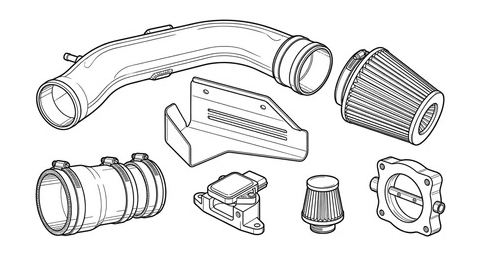
The primary way air intake influences fuel consumption is through the temperature of the incoming air. Cooler air is denser, meaning it contains more oxygen molecules per volume. This allows the engine’s computer to inject a corresponding amount of fuel for a more complete and efficient combustion process.
A 2025 study on a low-cost green car found that retrofitting a Cold Air Intake (CAI) system resulted in an 18% reduction in fuel consumption compared to the stock configuration, alongside a 1°C lower intake air temperature. The cold air intake hoses used in such systems are designed to route air from outside the hot engine bay, delivering that denser charge to the engine. Manufacturer claims often support this, stating that cooler air can lead to “improved fuel economy”.
However, the relationship is not absolute. A 2021 study noted that while engine performance (power and torque) is better with low intake air temperatures, fuel consumption itself can sometimes *decrease* as intake temperature *rises*. This is because hotter air is less dense; the engine’s sensors detect less oxygen and command less fuel, resulting in lower power but also lower consumption under those specific conditions. Therefore, a cold air intake is more about improving efficiency and performance than a guaranteed, universal fuel-saving fix.
Intake Pipe Design Affects Volumetric Efficiency
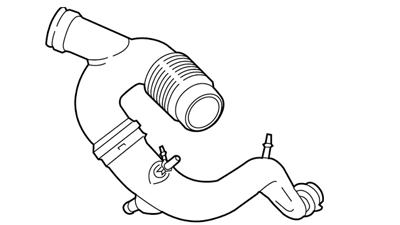
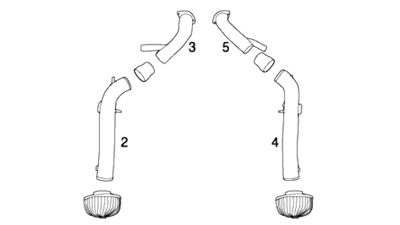
A custom air intake pipe, for example, is often engineered with smoother bends and a larger internal diameter to reduce airflow resistance compared to restrictive factory tubing. This improved flow can enhance volumetric efficiency (how completely the cylinder fills with air), which in turn can support better fuel economy under normal driving conditions.
Research confirms that intake pipe geometry matters. A study on spark-ignition engines found that intake pipe length and diameter directly impact specific fuel consumption. Generally, a pipe that is too restrictive or poorly designed can force the engine to work harder, potentially hurting efficiency. Conversely, an optimized intake air pipe can improve airflow and contribute to better fuel economy, especially at low engine speeds.
Summary
In short, air intake does affect fuel consumption, but it is a systems-level effect. A well-designed cold air intake system (using effective cold air intake hoses) delivers denser air for more efficient combustion, which can improve fuel economy. Simultaneously, a free-flowing custom air intake pipe or an optimized intake air pipe reduces pumping losses and supports volumetric efficiency. The greatest fuel-saving benefits are typically seen when cooler air temperatures and improved flow characteristics are combined in a thoughtfully engineered intake system.
Cooler, Denser Air Can Improve Combustion Efficiency
The primary way air intake influences fuel consumption is through the temperature of the incoming air. Cooler air is denser, meaning it contains more oxygen molecules per volume. This allows the engine’s computer to inject a corresponding amount of fuel for a more complete and efficient combustion process.
A 2025 study on a low-cost green car found that retrofitting a Cold Air Intake (CAI) system resulted in an 18% reduction in fuel consumption compared to the stock configuration, alongside a 1°C lower intake air temperature. The cold air intake hoses used in such systems are designed to route air from outside the hot engine bay, delivering that denser charge to the engine. Manufacturer claims often support this, stating that cooler air can lead to “improved fuel economy”.
However, the relationship is not absolute. A 2021 study noted that while engine performance (power and torque) is better with low intake air temperatures, fuel consumption itself can sometimes *decrease* as intake temperature *rises*. This is because hotter air is less dense; the engine’s sensors detect less oxygen and command less fuel, resulting in lower power but also lower consumption under those specific conditions. Therefore, a cold air intake is more about improving efficiency and performance than a guaranteed, universal fuel-saving fix.
Intake Pipe Design Affects Volumetric Efficiency
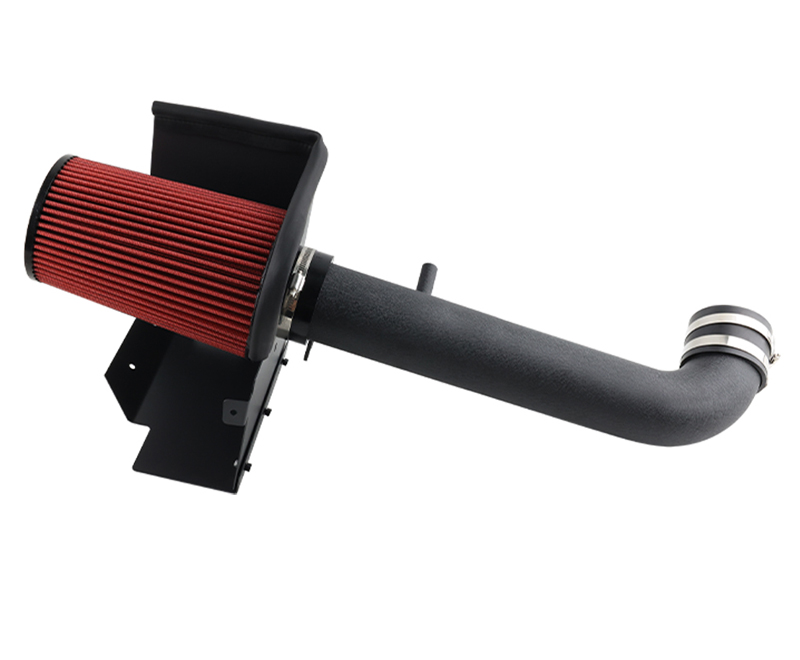
A custom air intake pipe, for example, is often engineered with smoother bends and a larger internal diameter to reduce airflow resistance compared to restrictive factory tubing. This improved flow can enhance volumetric efficiency (how completely the cylinder fills with air), which in turn can support better fuel economy under normal driving conditions.
Research confirms that intake pipe geometry matters. A study on spark-ignition engines found that intake pipe length and diameter directly impact specific fuel consumption. Generally, a pipe that is too restrictive or poorly designed can force the engine to work harder, potentially hurting efficiency. Conversely, an optimized intake air pipe can improve airflow and contribute to better fuel economy, especially at low engine speeds.
Summary
In short, air intake does affect fuel consumption, but it is a systems-level effect. A well-designed cold air intake system (using effective cold air intake hoses) delivers denser air for more efficient combustion, which can improve fuel economy. Simultaneously, a free-flowing custom air intake pipe or an optimized intake air pipe reduces pumping losses and supports volumetric efficiency. The greatest fuel-saving benefits are typically seen when cooler air temperatures and improved flow characteristics are combined in a thoughtfully engineered intake system.
Next:
Next:None